Elevate Your Home With Expert Architecture Solutions
Improving a home through professional architecture services involves more than just design. It calls for a deep understanding of operational design and municipal construction codes. Engaging with an seasoned design expert can address common challenges while enhancing property value. The process is systematic and thorough, confirming that every detail aligns with the homeowner's vision. Yet, many homeowners struggle to navigate this undertaking efficiently. What steps can they take to secure a successful partnership?
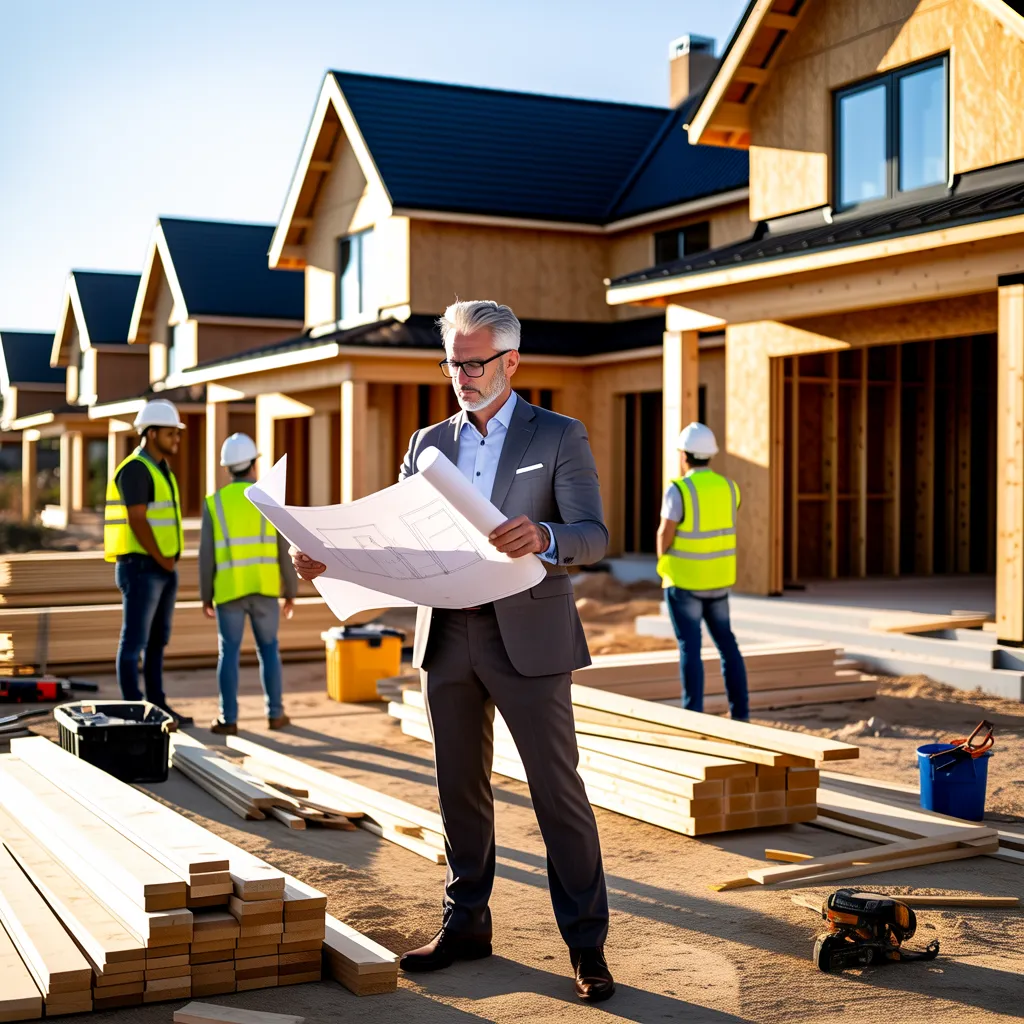
Common Home Design Challenges and How Architects Help
What renders home design so challenging for countless homeowners? The complexity of merging personal design preferences with functional requirements often overwhelms them. Homeowners commonly face challenges with room constraints, budget challenges, and regulatory expert advice standards, complicating more difficult. Additionally, many lack the required expertise needed to address building considerations and building codes.
Architects fulfill an indispensable role in alleviating these complications. Their training prepares them to navigate the intricacies of design, confirming that a homeowner's goal aligns with practical realities. Architects can provide innovative solutions to optimize space while adhering to safety standards. They also contribute in creating cohesive designs that illustrate the occupant's style. By offering understanding into substances and building techniques, architects support streamline the decision-making activity. Ultimately, their skill converts a potentially daunting endeavor into a cooperative journey, fostering a harmonious balance between imagination and practicality in home design.
Perks of Consulting a Professional Architect
Collaborating with a professional architect enhances the residential design process by merging specialized insight with the client's vision. Architects offer a broad range of expertise in design principles, building codes, and eco-friendly methods, ensuring that the undertaking not only achieves aesthetic goals but also complies with requirements. Their ability to visualize and express sophisticated thoughts helps in transforming theoretical ideas into physical blueprints.
Furthermore, architects can provide innovative solutions to design obstacles, optimizing arrangement and usability. They also oversee the complexities of the building phase, coordinating with contractors and suppliers to ensure timelines and budgets are maintained. This expert supervision reduces potential errors and reduces the stress linked to home construction or remodeling. Ultimately, collaborating with an architect produces a well-designed, cohesive space that reflects the homeowner's character while boosting overall property value.
What Are the Essential Steps in the Architectural Process?
What is the way the building design process unfolds from concept to finish? The progression begins with an first meeting, where the architect and client address goals, requirements, and budget. This phase is vital for establishing a well-defined direction. Next, the architect performs location evaluation, examining factors like terrain, climate, and zoning regulations.
Subsequently, the design phase gets started. At this stage, sketches and digital models are fashioned, allowing the client to visualize the project. Once the design is established, the architect creates detailed construction documents, listing specifications and drawings.
Upon obtaining necessary permits, the project enters the building stage. The architect often collaborates with contractors to ensure that the plan is implemented correctly. Regular on-site inspections and evaluations help maintain quality and compliance to the original vision. Finally, the project concludes in a walkthrough, verifying that the finished structure satisfies the client's expectations before the official handover.
What's the Best Way to Choose the Ideal Architect for Your Home?
Discovering the right architect for your dwelling demands thoughtful thought and research. Prospective homeowners should start by identifying their distinct needs and budget, which will direct their quest. Recommendations from peers, relatives, or real estate specialists can deliver helpful opportunities. Web-based galleries and ratings support examining an designer's prior accomplishments and customer satisfaction.
Next, prospective parties should engage several prospects to measure their speaking approach, expertise, and approach to design. It's critical to explore project parameters and timeline expectations to establish alignment. Additionally, verifying qualifications and verifying appropriate certifications and licenses can circumvent subsequent difficulties.
In conclusion, homeowners should have faith in their instincts. The ideal architect should not only exhibit the required skills but also connect with the homeowner's vision and ethics. This harmony generates a collaborative environment, ultimately achieving a productive alliance in fashioning a dream home.
Strategies for Sharing Your Objectives Clearly
Effectively conveying a vision for home design is essential for a fruitful collaboration between property owners and architects. To accomplish this, property owners should start by distinctly defining their needs and preferences. Creating a mood board with photographs, hues, and materials can assist in conveying aesthetic desires. Additionally, outlining functional specifications, such as room size and layout, ensures that the designer understands practical aspects.
Property owners should also engage in open dialogue, encouraging questions and feedback to improve their vision. Frequent meetings throughout the design process foster collaboration and transparency. Using clear communication to express thoughts and worries can avoid confusion and help match expectations.
Finally, remaining open to the architect's expertise enables a more vibrant dialogue. By combining personal vision with professional insight, homeowners can facilitate a productive partnership that results in a beautifully designed space showcasing their aspirations.
How to Budget for Architectural design Services
While beginning a home design project, setting a budget for architecture services is crucial to avoid financial strain later. Homeowners should begin by investigating typical fees in their area, which can vary based on the project's complexity and the architect's experience. It is advisable to allocate a percentage of the overall project cost specifically for architectural services, typically ranging from 5% to 15%.
Next, prospective clients should assess the scope of services required—whether they need complete design and project management or just introductory consultations. Fostering transparent dialogue with potential architects concerning their payment structures can deliver clarity on expenses.
Additionally, homeowners should consider possible changes and unforeseen costs, building a buffer into the budget. By clearly defining their financial parameters in advance, customers can ensure they choose an design professional who matches their goals while remaining within their financial boundaries.
Popular Questions Asked Regularly
What Building Types Should I Pick for My Home?
Homeowners can choose from multiple architectural styles, including modern, traditional, colonial, Mediterranean, and contemporary. Each style offers distinctive visual appeal and practical features, enabling individuals to express personal taste while taking into account regional influences and environmental factors.
How Long Does the Architectural Process Typically Require?
The design undertaking typically necessitates several months, based on complexity factors, design clearances, and local regulations. Considerations such as client feedback and work schedules can also affect the schedule significantly during the entire process.
Can Architects Lend expertise To Environmentally conscious Design Choices?
Architects can indeed help sustainable design alternatives. They incorporate eco-friendly materials, energy-efficient systems, and innovative layouts, guaranteeing projects minimize environmental impact while maximizing functionality and aesthetic appeal, matching with clients' sustainability goals successfully.
What Qualifications Should I Look for in an Architect?
When hiring an architect, one should examine their qualifications, licensure, involvement in related assignments, selection of projects highlighting their design sensibility, and grasp of local compliance standards. Communication skills and client testimonials also prove essential in the decision-making process.
In What Ways Do Design Experts Deal With Zoning and Permit Matters?
Architects navigate zoning and permit issues by performing comprehensive analysis on local regulations, preparing necessary documentation, and communicating to municipal authorities. Their expertise ensures adherence, streamlining the permitting timeline for customer developments efficiently.